
How to Stop Bloating and Gas Naturally: Remedies & Treatment Options
Key Takeaways
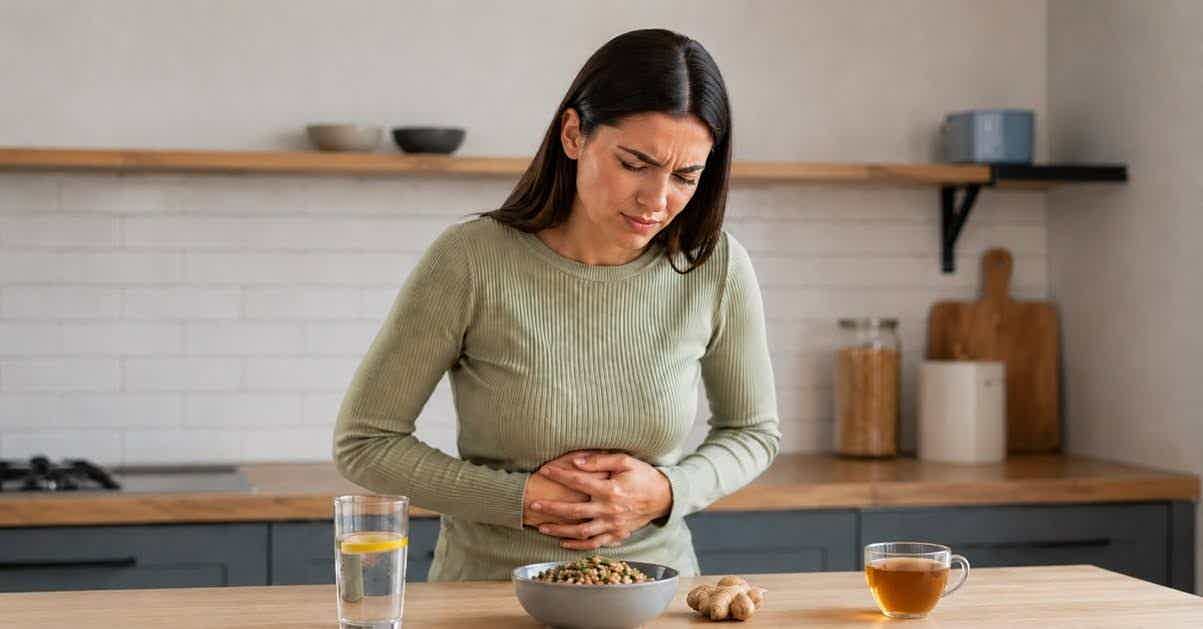
Bloating and gas usually come from swallowed air, gut bacteria breaking down food, and specific trigger foods like beans, cruciferous vegetables, and fried foods.
Natural herbal remedies like peppermint, ginger, fennel, and chamomile have long been used to calm the digestive tract and help trapped gas move.
Simple daily habits that can make a difference include eating slowly, easing off carbonated drinks and gum, spacing out gas-producing foods, and walking after meals.
If natural remedies and lifestyle changes aren't enough, treatment options like simethicone, digestive enzymes, and probiotics can offer more relief, from fast-acting help to gradual, longer-term support.
Dr. Derek Cook, ND treats bloating as part of a bigger picture, examining how digestion, hormones, and stress work together, so the cause is addressed and your relief lasts.
Why Do Bloating and Gas Keep Coming Back?
Bloating and gas ease up once you address digestion speed, swallowed air, and the foods that ferment slowly in your gut. Most people blame a single food or meal, but the real pattern usually builds over days of rushed eating, fizzy drinks, and inconsistent bathroom habits. That combination is why quick fixes rarely stick for more than a day or two.
Stress plays a bigger role than most people realize. Cortisol can slow gut motility and change how sensitive your intestines feel to normal gas, so the same trapped bubble that would go unnoticed on a calm day can feel unbearable during a stressful week. This is one reason bloating that seems random often has a pattern once diet, sleep, and stress are looked at together.
Dr. Derek Cook, ND looks at that pattern directly. Through his four-phase PRO (Performance, Restoration, and Optimization) Method, he examines digestion alongside hormones and stress levels, testing for the specific triggers behind ongoing bloating rather than treating each flare-up as a separate problem.
Dr. Derek Cook, ND: Reliable Energy & Clear Thinking for High Performers 18+ Years in Practice | Licensed CNDA Member Since 2008  Restore Your Performance Capacity: Dr. Cook helps driven professionals and business owners rebuild energy, digestion, and mental clarity through his structured PRO Method: Stabilize, Restore, Optimize, Sustain. Using naturopathic medicine, bioenergetic assessment, and individualized testing, he works to address the root causes behind burnout, brain fog, and digestive flare-ups rather than just managing symptoms. Why Patients Choose Him: You don't need more discipline. You need a system built for how you actually function. |
Which Natural Herbal Remedies Can Relieve Bloating & Gas?
Peppermint Tea
Peppermint is among the well-studied plants for digestive discomfort. Its active compound, menthol, relaxes the smooth muscle of the digestive tract, which can help trapped gas move through more easily.
This antispasmodic effect is why peppermint is often used for bloating linked to cramping or spasms in the gut. Most of the strong research involves enteric-coated peppermint oil capsules, which are designed to reach the intestine intact. Peppermint tea is a gentler, traditional option many people still find soothing before or after meals.

A cup of peppermint tea is one of the simplest ways to ease everyday bloating.
Ginger Tea
Ginger has a long history as a digestive aid. It encourages the movement of food through the stomach and intestines, a process known as gastric motility, which can mean less time for gas to build up and cause pressure.
It also has anti-inflammatory properties that may help soothe an irritated gut. Fresh ginger steeped in hot water for about ten minutes tends to be stronger than a packaged tea bag, and a cup before or after meals can be a practical daily habit.
Fennel Seeds
Fennel seeds contain anethole, a compound that helps relax the smooth muscle of the gut and makes it easier for trapped gas to pass. This is why fennel is one of the more useful traditional remedies for gas specifically.
In many cultures, chewing fennel seeds after a meal is a long-standing habit. You can chew the seeds directly after eating or steep them into a tea, and either way delivers the active compounds to the digestive tract.
Chamomile
Chamomile is traditionally used to settle the stomach, and it works on two fronts. It can help relax the gut muscles to ease trapped gas, and it has a calming effect on the nervous system.
Since stress is a well-recognized trigger for digestive symptoms, this makes chamomile a comforting choice for people whose bloating tends to worsen under pressure or toward the end of the day.
Daily Habits That Prevent Bloating Before It Starts
1. Eat Slowly & Sit Down During Meals
Eating too quickly is one of the most overlooked causes of bloating. When you rush a meal, you swallow air with every bite, and that air can end up trapped in your digestive tract.
Sitting down, chewing thoroughly, and slowing your pace supports better digestion and reduces the volume of air that enters your system in the first place.
2. Cut Back on Carbonated Drinks & Straws
Carbonated drinks such as sodas, sparkling water, and energy drinks introduce carbon dioxide bubbles directly into your gut. When that gas does not clear quickly, it can cause bloating and cramping, so easing off fizzy drinks is one of the more effective single changes for daily bloating.
Straws work in a similar way, since each sip pulls extra air in along with the liquid. Drinking straight from a glass is a small adjustment that can make a noticeable difference over a day.
3. Stop Chewing Gum
Chewing gum keeps you swallowing air continuously without eating anything. Many sugar-free gums also contain sorbitol, a sugar alcohol the gut absorbs poorly and that feeds gas-producing bacteria in the colon. If you chew gum daily and deal with regular bloating, going without it for a week is a simple way to see whether it helps.
4. Reduce or Quit Smoking
Each inhale from a cigarette involves swallowing air, which adds a steady, repeated source of excess gas through the day that many smokers do not connect to their digestive discomfort.
Reducing swallowed air is one of many reasons cutting back supports better digestion. If quitting is not immediately possible, even lowering how often you smoke may ease bloating.
5. Limit High-Gas Foods at a Single Meal
Many gas-producing foods are good for you, including legumes, cruciferous vegetables, and high-fiber grains, so cutting them out is not the goal. The aim is to avoid stacking too many of them into one sitting.
Having lentils, broccoli, and a high-fiber bread all in the same meal, for instance, can lead to significant gas. Spreading these foods across the day, or pairing them with gentler options, gives your gut a better chance to process them comfortably.
The table below highlights common foods that may contribute to bloating, along with gentler alternatives to consider.
High-Gas Foods to Watch | Lower-Gas Alternatives |
Beans & lentils | Well-cooked rice |
Broccoli & cabbage | Zucchini & spinach |
Carbonated drinks | Still water or herbal tea |
Fried or fatty foods | Baked or steamed proteins |
High-fiber breads | Sourdough |
6. Get Moving
Movement plays an underrated role in relieving gas. A short walk after eating, even ten to fifteen minutes, encourages peristalsis, the wave-like muscle contractions that move food and gas through your digestive tract.
For trapped gas in particular, gentle activity is one of the most accessible things you can try. Yoga positions such as the supine twist or the wind-relieving pose (Pavanamuktasana) are traditionally used to help release intestinal gas through gentle pressure on the abdomen.

Taking a few minutes for gentle movement (like the Pavanamuktasana yoga pose shown above) can relieve pressure and help trapped gas pass more comfortably.
Over-the-Counter Treatment Options
Simethicone
Simethicone works by breaking up gas bubbles in the stomach and intestines into smaller ones the body can pass more easily. It does not stop gas from forming; it simply helps you release what is already there.
It is the active ingredient in products like Gas-X and Mylanta Gas. It tends to act quickly, and because it is not absorbed into the bloodstream, it is considered safe for most adults as a short-term option. If you find yourself reaching for it every day, though, that is usually a sign the underlying cause needs attention.
Digestive Enzyme Supplements
Digestive enzyme supplements help the body break down foods it struggles to process on its own. Lactase supplements are a clear example: they supply the enzyme people with lactose intolerance are missing, so dairy is less likely to ferment and cause gas.
Broader enzyme blends aim to help with proteins, fats, and complex carbohydrates, though the evidence for general use is less settled. If your bloating is consistently linked to particular foods, taking the appropriate enzyme just before a meal may help.
Probiotics
Probiotics take a longer-term approach by supporting a healthier balance in the gut microbiome, which influences how much gas your gut bacteria produce during digestion.
Strains such as Lactobacillus acidophilus and Bifidobacterium longum are among the most studied for easing bloating and gas over time. Results build gradually, and most people need around four to eight weeks of daily use before noticing a meaningful difference.
Get Personalized Digestive Care With Dr. Derek Cook, ND

Dr. Derek Cook, ND offers naturopathic care for digestive concerns, with appointments available in person in Calgary and virtually.
Bloating and gas usually respond well to the everyday changes covered here, from slowing down at meals and easing off fizzy drinks to leaning on soothing herbs and moving more after you eat. For many people, these habits are enough to feel noticeably lighter and more comfortable. When daily bloating continues despite them, though, it is a signal that something more specific may be at work and worth investigating properly.
With more than 18 years in practice, Dr. Derek Cook, ND helps people get to the source of stubborn digestive symptoms through targeted testing and a thorough naturopathic assessment. Instead of treating the bloating in isolation, he examines how your digestion connects to diet, stress, and other systems that shape how you feel day to day. If the discomfort you feel is not settling, book an appointment with Dr. Derek Cook, ND to uncover the cause and start on a plan built around you.
Frequently Asked Questions (FAQs)
Can bloating and gas go away on their own?
Yes, gas often clears on its own as the body passes it through burping or flatulence, which happens around a dozen or more times a day as a normal part of digestion. The situation is different when bloating returns daily, causes real discomfort, or does not ease with simple dietary changes, since that points to a trigger worth identifying.
What is the fastest way to get rid of gas pain?
For quick relief, the most reliable options are walking or gentle movement, over-the-counter simethicone, or a warm herbal tea such as peppermint or ginger. Movement helps because it encourages trapped gas to shift through and out of the intestines.
How long can trapped gas last?
Trapped gas usually resolves within a few hours, though it can linger longer when it settles in one of the natural bends of the large intestine, where it tends to cause localized pain. Movement, changing position, or simethicone can help move things along in those cases. Gas that lasts beyond a day alongside ongoing pain is worth discussing with a professional.
Does drinking water help with bloating?
Staying well hydrated through the day supports healthy digestion and helps prevent the constipation that often contributes to bloating. Still water is the better choice here, since sparkling water adds gas to the digestive tract and can worsen symptoms for some people. Warm water or herbal teas like ginger, peppermint, or fennel can also be especially soothing.
Is it normal to feel bloated every day?
Occasional bloating after large meals, high-fiber foods, or fizzy drinks is normal, but daily bloating is not something you have to accept as your baseline. When it happens every day, there is usually a specific trigger behind it that has not been identified yet. Digestive health is a core focus of Dr. Derek Cook, ND's practice, where the emphasis is on finding the root cause of daily bloating and treating it so the symptoms do not keep returning.
*Disclaimer: The information in this article is for educational purposes only and reflects general research and traditional use; it is not a guarantee of results and does not constitute a diagnosis, prescription, or personalized treatment plan. It is not a substitute for professional medical or naturopathic advice, diagnosis, or treatment. Always consult a qualified healthcare provider before starting, stopping, or combining any treatment, supplement, or remedy — especially if you have an existing health condition or take medication. Products referenced in this article, if any, may be available for purchase through Healthflow Naturopathic's dispensary; this does not mean they have been recommended for you, and they can be purchased elsewhere. For personalized naturopathic support, visit www.drderekcook.ca.

Dr. Derek Cook is a naturopathic doctor in Calgary and creator of the PRO Method, a clinical system for restoring energy and cognitive performance in high-demand professionals. He has practised since 2008 and owns Healthflow Naturopathic. Read full bio
Related Posts

Naturopath For SIBO in Calgary: Best Options & Cost
Discover the best naturopath for SIBO in Calgary, including appointment costs, testing options, and treatment plans, then learn how to get started today.

How to Get My Energy Back: Lifestyle Changes & Other Options
Discover how to get your energy back through targeted lifestyle changes, and learn when persistent fatigue signals a deeper issue worth testing. Read on.

Naturopath for Gut Health in Calgary: Best Options & Reviews
Compare Calgary's top naturopaths for gut health, including focus areas, treatments, and patient reviews, and see why Dr. Derek Cook stands out. Read on.