
How to Reduce Inflammation Naturally: Tips & Treatment Options

Key Takeaways
An anti-inflammatory diet built around Mediterranean-style eating, colorful vegetables, wild fish, and olive oil is one of the most influential daily levers.
Consistent moderate movement, restorative sleep, adequate hydration, and stress regulation each work through distinct pathways to lower inflammatory activity.
Cutting back on smoking, heavy alcohol, and ultra-processed foods can produce measurable drops in inflammatory markers within a matter of weeks.
Functional testing, individualized supplementation, and work on gut, hormonal, and nervous system drivers form the core of naturopathic treatment.
Dr. Derek Cook, ND uses his structured PRO Method to map what is fueling chronic inflammation and build a phased plan around your specific physiology.
What is the Best Way to Reduce Inflammation Naturally?
The best way to reduce inflammation naturally is to combine an anti-inflammatory diet, regular movement, quality sleep, and stress management, then use lab testing to catch what those habits alone can't fix. Most people treat inflammation as one problem with one solution, when it's really the sum of several systems working against each other. Gut health, hormone balance, and nervous system regulation all play a role, so a habit that works for one person may leave another's numbers unchanged.
The risk with a generic approach is that it treats every case the same, even though two people with the same fatigue and joint pain can have completely different root causes. One person's inflammation might be diet-driven, while another's traces back to a stressed adrenal system or an unresolved gut issue. Without identifying which pathway is active, lifestyle changes often stall out after the first few weeks instead of producing lasting change.
That's why working with a Naturopathic Doctor who tests rather than guesses can make the difference. Dr. Derek Cook, ND uses functional lab work to pinpoint which systems are driving a patient's inflammation, then builds a phased plan around those findings instead of a one-size-fits-all list of tips.
Dr. Derek Cook, ND: Reliable Energy & Clear Thinking for High Performers 18+ Years in Practice | Licensed CNDA Member Since 2008  Restore Your Performance Capacity: Dr. Cook helps driven professionals and business owners rebuild energy, digestion, and mental clarity through his structured PRO Method: Stabilize, Restore, Optimize, Sustain. Using naturopathic medicine, bioenergetic assessment, and individualized testing, he works to address the root causes behind burnout, brain fog, and digestive flare-ups rather than just managing symptoms. Why Patients Choose Him: You don't need more discipline. You need a system built for how you actually function. |
Tips for Reducing Inflammation
1. Eat an Anti-Inflammatory Diet

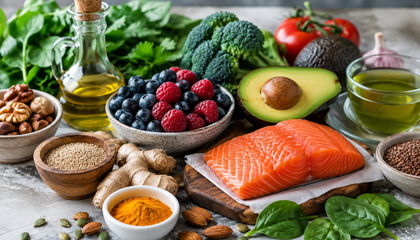
Leafy greens are packed with vitamin K and magnesium, which are both critical for immune regulation.
Food either fuels inflammation or fights it. A Mediterranean-style diet consistently ranks as the most evidence-backed eating pattern for reducing inflammatory markers. It emphasizes whole, minimally processed foods rich in antioxidants, fiber, and healthy fats that directly suppress pro-inflammatory pathways.
The core of an anti-inflammatory diet centers on variety and quality. Colorful vegetables, wild-caught fatty fish, extra virgin olive oil, legumes, and fresh herbs are your daily foundation. These foods are rich in polyphenols and omega-3 fatty acids, which actively block the production of inflammatory cytokines like interleukin-6 (IL-6) and tumor necrosis factor-alpha (TNF-α).
2. Exercise Consistently
Just 20 to 30 minutes of moderate exercise can trigger an anti-inflammatory response at the cellular level. During physical activity, your muscles release myokines, signaling molecules that actively suppress chronic inflammation. Regular movers consistently show lower levels of CRP and IL-6 compared to sedentary individuals.
While regular exercise is beneficial, chronic high-intensity exercise without adequate recovery can actually increase inflammation. Aim for a balanced mix of aerobic activity (brisk walking, cycling, swimming) on most days and resistance training at least two days per week. Even a daily 20-minute walk produces measurable anti-inflammatory benefits when done consistently over time.
3. Manage Stress

Meditation or breathing exercises help manage psychological stress, which is one of the core drivers of inflammation.
Psychological stress is one of the most underestimated drivers of systemic inflammation. When you're chronically stressed, your body continuously pumps out cortisol. While short-term cortisol is anti-inflammatory, prolonged elevation makes immune cells resistant to cortisol's regulatory effects, leading to unchecked inflammatory activity.
To manage stress, try calming activities such as meditation or journaling. Daily meditation or breathwork lowers cortisol and reduces inflammatory gene expression, and journaling can help reduce perceived stress load, which in turn supports a calmer inflammatory baseline.
4. Prioritize Restorative Sleep Every Night

To get the most out of your sleep, keep a consistent sleep schedule.
Sleep is when your body performs its most critical repair work, and skipping it has immediate inflammatory consequences. Going to bed and waking at the same time daily regulates your circadian rhythm, which directly governs inflammatory cycles.
Melatonin, the hormone your body produces to initiate sleep, also functions as a powerful antioxidant with direct anti-inflammatory properties. Protecting your natural melatonin production by maintaining darkness and consistent sleep timing is one of the simplest, most overlooked inflammation-fighting strategies.
5. Stay Hydrated
Dehydration concentrates inflammatory compounds in the bloodstream and impairs the kidneys' ability to flush waste products that contribute to oxidative stress. Even mild dehydration can increase pain perception.
As a general baseline, adequate total water intake is around 3.7 litres daily for men and 2.7 litres for women, including water from food and other beverages. Beyond plain water, green tea is among the better-studied anti-inflammatory beverages. Its catechins, particularly epigallocatechin gallate (EGCG), can inhibit NF-κB, a key molecular switch that activates inflammatory gene expression.
6. Cut Out the Habits That Cause Inflammation
Smoking introduces thousands of pro-oxidant chemicals into the bloodstream with every single cigarette, triggering a persistent state of immune activation. Heavy alcohol consumption disrupts the gut microbiome and increases intestinal permeability, which allows bacterial toxins called lipopolysaccharides (LPS) to enter the bloodstream and trigger body-wide inflammation.
Reducing or eliminating these two habits alone can dramatically reduce inflammatory markers within weeks, regardless of other lifestyle factors.
What Are the Treatment Options for Reducing Inflammation?
Functional Testing to Identify Root Drivers
Before treatment begins, targeted lab work helps clarify what's actually happening in the body. Depending on the presentation, this may include comprehensive stool analysis to assess gut health, SIBO breath testing, food sensitivity panels, hormone assessments, thyroid panels, inflammatory markers such as hs-CRP, or metabolic markers such as homocysteine.
Functional testing provides the data needed to build a treatment plan around your specific physiology rather than guessing at the cause.
Targeted Supplementation
Supplements can play a supportive role when matched to the underlying driver. Commonly used, evidence-informed options include Omega-3 fatty acids (EPA/DHA) for balancing inflammatory signaling, curcumin (from turmeric) for modulating NF-kB pathways, and Vitamin D for immune regulation. Magnesium and B-complex nutrients can support stress physiology.
Supplementation is most effective when it's individualized. Randomly stacking anti-inflammatory supplements without knowing what your body actually needs rarely delivers the results people hope for.
Addressing Gut, Hormonal, & Stress Drivers
Because chronic inflammation often stems from gut dysfunction, hormonal imbalance, or long-term stress load, sustainable treatment typically involves addressing those underlying systems. That may look like repairing gut lining and rebalancing the microbiome, supporting thyroid and adrenal function, or building in practices that regulate the nervous system.
Conventional medical care remains valuable in many cases, particularly for acute flare-ups or diagnosed autoimmune conditions, and naturopathic treatment can work alongside it rather than replace it.
Persistent Inflammation Calls for Dr. Derek Cook, ND's Root-Cause Approach
Bringing inflammation under control is about stacking small, sustainable choices that compound over time. The habits above, combined with a willingness to look at underlying drivers when symptoms persist, tend to produce results that hold up long after any short-term protocol would have worn off.
For patients whose inflammation has proven stubborn, Dr. Derek Cook, ND may be a valuable next step. His approach combines naturopathic medicine, bioenergetic assessment, functional lab work, and individualized nutrition and supplementation to address what’s driving your symptoms. Book an in-person appointment in Calgary or a virtual consultation across Alberta with Dr. Derek Cook, ND to start addressing your inflammation at its source.
Frequently Asked Questions (FAQs)
What is the fastest way to reduce inflammation naturally?
The fastest way to reduce inflammation naturally is to combine dietary changes with targeted supplementation. Eliminating refined sugar and processed foods immediately removes a primary inflammatory trigger, while consistent high-quality fish oil supplementation can begin shifting inflammatory markers over a period of weeks
What are the signs that your body has inflammation?
The most common signs of inflammation include persistent fatigue that doesn't improve with rest, recurring joint or muscle pain without a clear injury, and frequent digestive issues like bloating and irregular bowel movements. Brain fog and difficulty concentrating, skin conditions like eczema or psoriasis, and slow recovery from illness or physical activity can also indicate inflammation.
What drink reduces inflammation?
Green tea is one of the most extensively studied anti-inflammatory drinks. Its active compound, epigallocatechin gallate (EGCG), directly inhibits NF-κB, the master inflammatory switch in the body. Other standout options include tart cherry juice, which lowers uric acid and reduces exercise-induced inflammation; turmeric golden milk, which delivers bioavailable curcumin in a warming, absorbable form; and plain water.
Can ginger help reduce inflammation?
Yes, ginger is one of the most clinically supported natural anti-inflammatory foods. Its active compounds, gingerols and shogaols, inhibit both the COX and LOX inflammatory enzyme pathways. Common over-the-counter anti-inflammatory medications act on the COX pathway alone.
How can Dr. Derek Cook, ND help me address inflammation naturally?
Dr. Derek Cook, ND takes a root-cause approach, using functional testing to identify what's actually fueling inflammation in your case rather than working from assumptions. From there, he builds an individualized plan through his four-phase PRO Method, drawing on naturopathic medicine, nutrition, lifestyle adjustments, and targeted supplementation. Appointments are available in-person in Calgary and virtually across Alberta.
*Disclaimer: The information in this article is for educational purposes only and reflects general research and traditional use; it is not a guarantee of results and does not constitute a diagnosis, prescription, or personalized treatment plan. It is not a substitute for professional medical or naturopathic advice, diagnosis, or treatment. Always consult a qualified healthcare provider before starting, stopping, or combining any treatment, supplement, or remedy — especially if you have an existing health condition or take medication. Products referenced in this article, if any, may be available for purchase through Healthflow Naturopathic's dispensary; this does not mean they have been recommended for you, and they can be purchased elsewhere. For personalized naturopathic support, visit www.drderekcook.ca.

Dr. Derek Cook is a naturopathic doctor in Calgary and creator of the PRO Method, a clinical system for restoring energy and cognitive performance in high-demand professionals. He has practised since 2008 and owns Healthflow Naturopathic. Read full bio
Related Posts
8 Foods That Reduce Inflammation in The Body
Discover 8 anti-inflammatory foods that help calm chronic inflammation naturally, plus how Dr. Derek Cook, ND supports root-cause naturopathic care in Calgary.

8 Signs of Chronic Inflammation (and How to Treat)
Learn 8 signs of chronic inflammation you should not ignore, natural ways to address them, and how Dr. Derek Cook, ND supports root-cause care in Calgary and Alberta.

Why Can't I Focus Anymore? Common Causes & How to Fix
Learn why you can't focus anymore, what drives brain fog in busy professionals, and how to fix it with practical daily changes.